In the realm of wellness and recovery, two popular treatments have emerged: cold plunge therapy and cryotherapy. Both methods are designed to enhance recovery, reduce inflammation, and promote overall health, but they operate through different mechanisms. This article will delve into the specifics of each treatment, exploring how they work, their benefits, and how they compare to help you make an informed decision. As many individuals seek effective recovery options, understanding the nuances of cold plunge therapy and cryotherapy is essential. We will cover the definitions, mechanisms, and benefits of each treatment, as well as guidance on choosing the right option for your health goals.
Cryotherapy involves exposing the body to extremely cold temperatures for a short period, typically through a cryotherapy chamber. This process triggers a series of physiological responses, including vasoconstriction, which reduces blood flow to inflamed areas, and subsequently, vasodilation, which promotes increased blood flow and healing once the body warms up. The primary benefits of cryotherapy include reduced inflammation, pain relief, and enhanced recovery from physical exertion.
Research further elaborates on the various forms of cryotherapy and their application in exercise recovery.
Cryotherapy Modalities for Exercise Recovery
Cryotherapy includes whole body cryotherapy (dry air of −80°C to −110°C for 1–3 min), cold-water immersion (CWI), ice or cold gel pack application, ice massage or any other local or general application of cold for therapeutic purposes [1]. Although these types of treatments are commonly and ubiquitously used to speed recovery from stressful bouts of exercise, no standard guidelines have been established, and a target temperature fo
Cold-water immersion and other forms of cryotherapy: physiological changes potentially affecting recovery from high-intensity exercise, GD Wells, 2013
At Sessions Wellness Center, whole body cryotherapy sessions last approximately 3 minutes, during which clients enter a cryotherapy chamber that cools the air to between -110°F and -140°F. This rapid cooling stimulates the body’s natural healing processes, leading to improved recovery times and reduced muscle soreness. Clients often report feeling invigorated and refreshed after their sessions, making it a popular choice for athletes and fitness enthusiasts.
The physiological mechanisms behind whole-body cryotherapy’s effectiveness in post-exercise recovery are further explored in scientific studies.
Whole-Body Cryotherapy & Post-Exercise Recovery
A predominance of parasympathetic drive is observed following cold exposure. Such modulation of the autonomic nervous system (ANS) is associated with faster post-exercise recovery. Within this context, whole-body cryotherapy (WBC) has been spreading in sport medicine, though the optimal temperature and frequency are unclear. The aim of this study was to examine the effects of different cryotherapy conditions on the sympathovagal balance.
The use of whole-body cryotherapy: time-and dose-response investigation on circulating blood catecholamines and heart rate variability, D Theurot, 2020
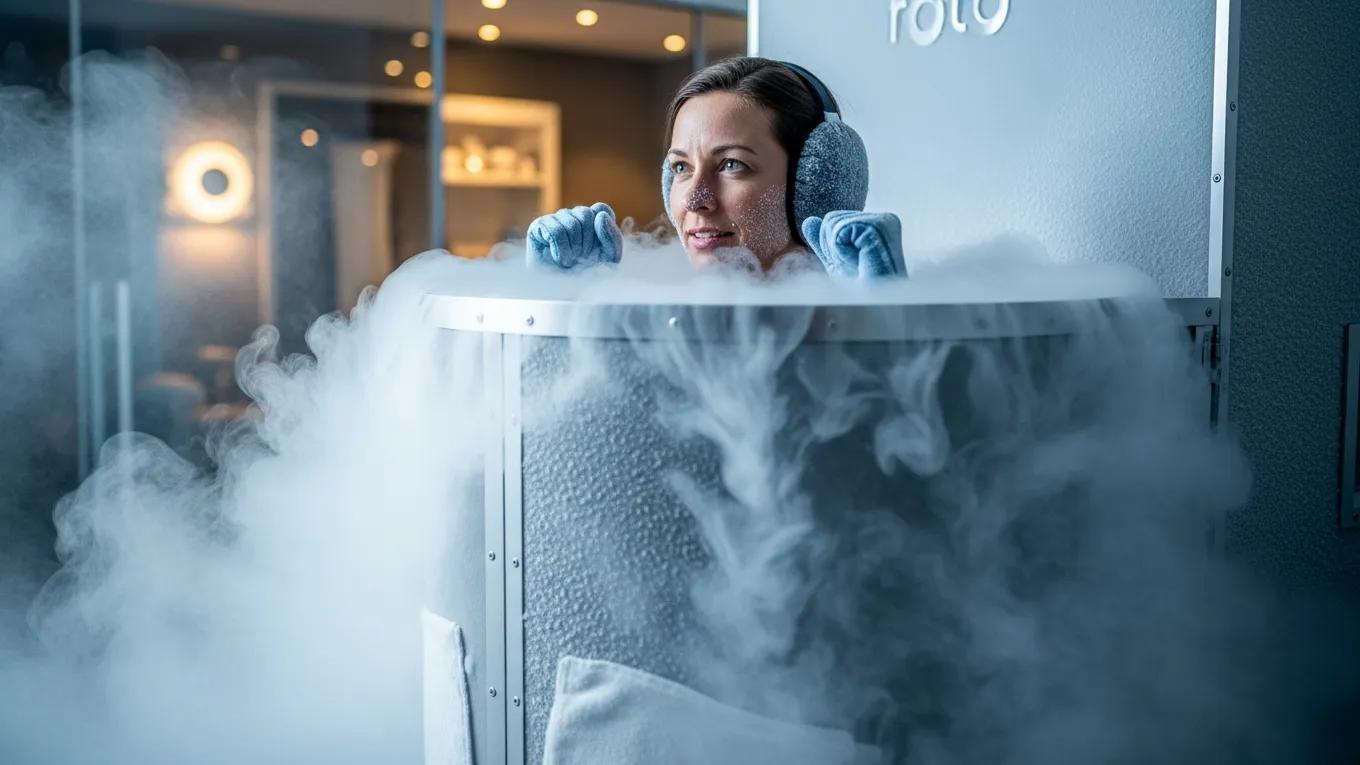
Cryotherapy offers several key benefits, particularly for those dealing with inflammation and pain. These benefits include:
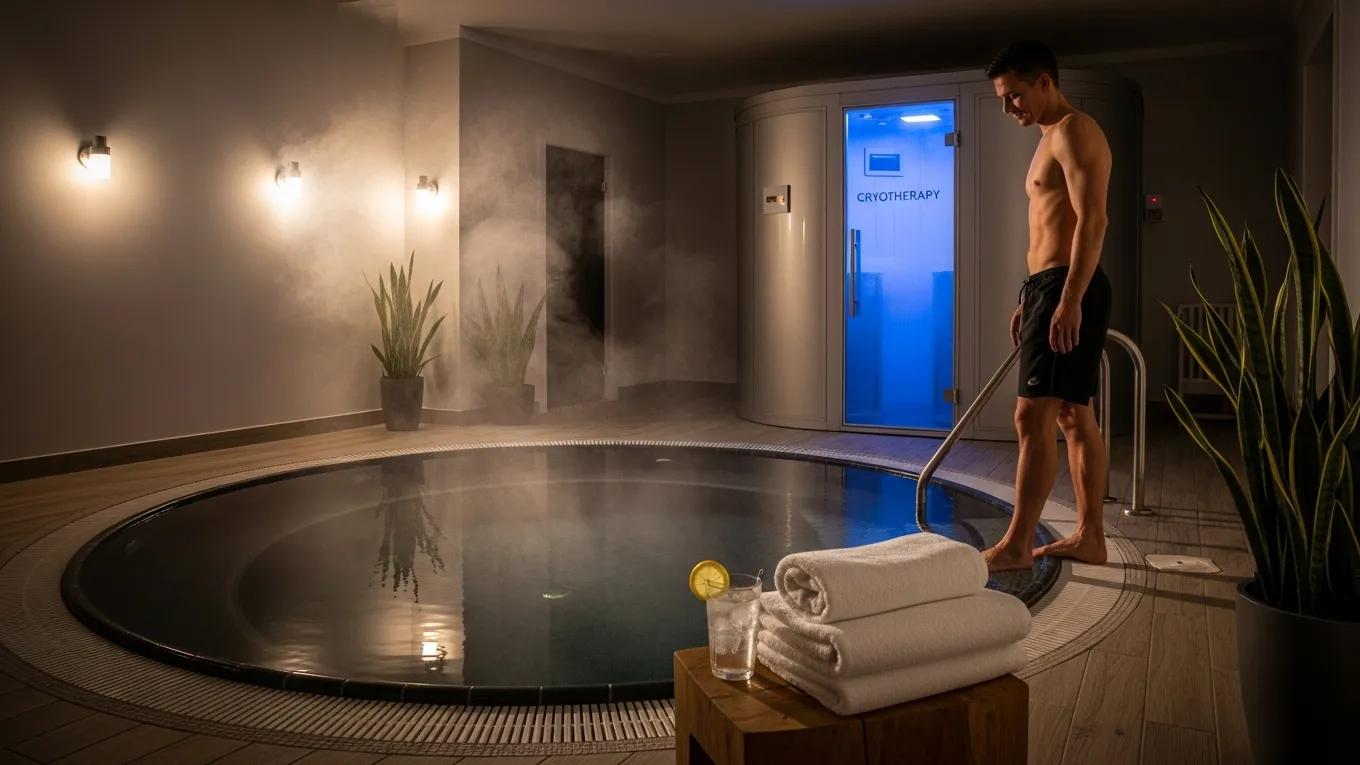
Cold plunge therapy involves immersing the body in cold water, typically at temperatures around 50°F to 60°F, for a brief period. This method is often used in conjunction with heat therapy, known as contrast therapy, which alternates between hot and cold exposure. The combination of these therapies can enhance circulation, reduce muscle soreness, and promote relaxation.
Contrast therapy incorporates cold plunge treatments by alternating between hot and cold environments. For instance, an individual may spend a few minutes in a hot sauna followed by a quick plunge into cold water. This process stimulates blood flow and helps to flush out toxins, leading to improved recovery and reduced muscle tension. Many users find this method particularly effective for alleviating soreness after workouts.
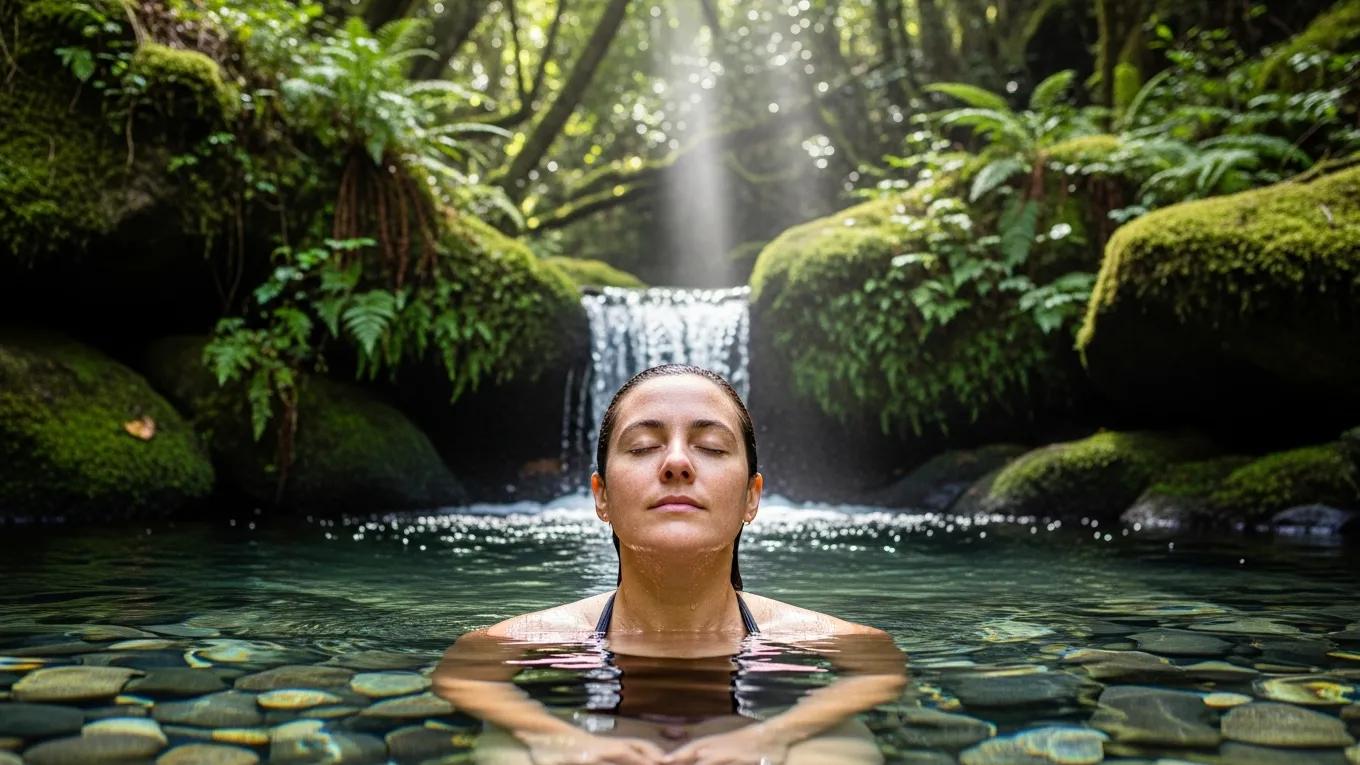
Cold plunge therapy has several health effects that contribute to overall wellness, including:
When comparing cold plunge therapy and cryotherapy, it’s essential to consider their treatment processes and overall benefits. Both methods aim to reduce inflammation and promote recovery, but they do so in different ways.
Cryotherapy sessions are typically shorter due to the extreme temperatures involved, while cold plunge therapy may require longer immersion times to achieve similar benefits.
Both therapies offer unique benefits, and the choice between them often depends on individual preferences and specific health goals. Cryotherapy may be more effective for those seeking rapid pain relief and inflammation reduction, while cold plunge therapy can be beneficial for those looking for a more gradual recovery process and enhanced mental clarity.
Further research directly compares the physiological responses and recovery benefits of cold-water immersion and partial-body cryotherapy.
Cold Water Immersion vs. Partial-Body Cryotherapy Recovery
The aim of this study is to compare (a) the physiological responses following cold-water immersion (CWI) and partial-body cryotherapy (PBC) and (b) the effects on recovery following a high-intensity bout of exercise.
Cold‐water or partial‐body cryotherapy?
Comparison of physiological responses and recovery following muscle damage, E Hohenauer, 2018
Choosing between cold plunge therapy and cryotherapy at Sessions Wellness Center involves considering your health goals and personal preferences. Factors such as the type of recovery you seek, your tolerance for cold exposure, and any underlying health conditions should guide your decision.
Individuals with acute injuries or chronic pain conditions may benefit more from cryotherapy due to its rapid pain relief and anti-inflammatory effects. Conversely, those looking for a holistic approach to recovery and mental clarity might prefer cold plunge therapy.
At Sessions Wellness Center, pricing for cryotherapy sessions typically starts at $50 per session, while cold plunge therapy sessions are available for $30. Booking options are flexible, allowing clients to schedule sessions that fit their individual needs. For more information on booking, please contact Sessions Wellness Center directly.