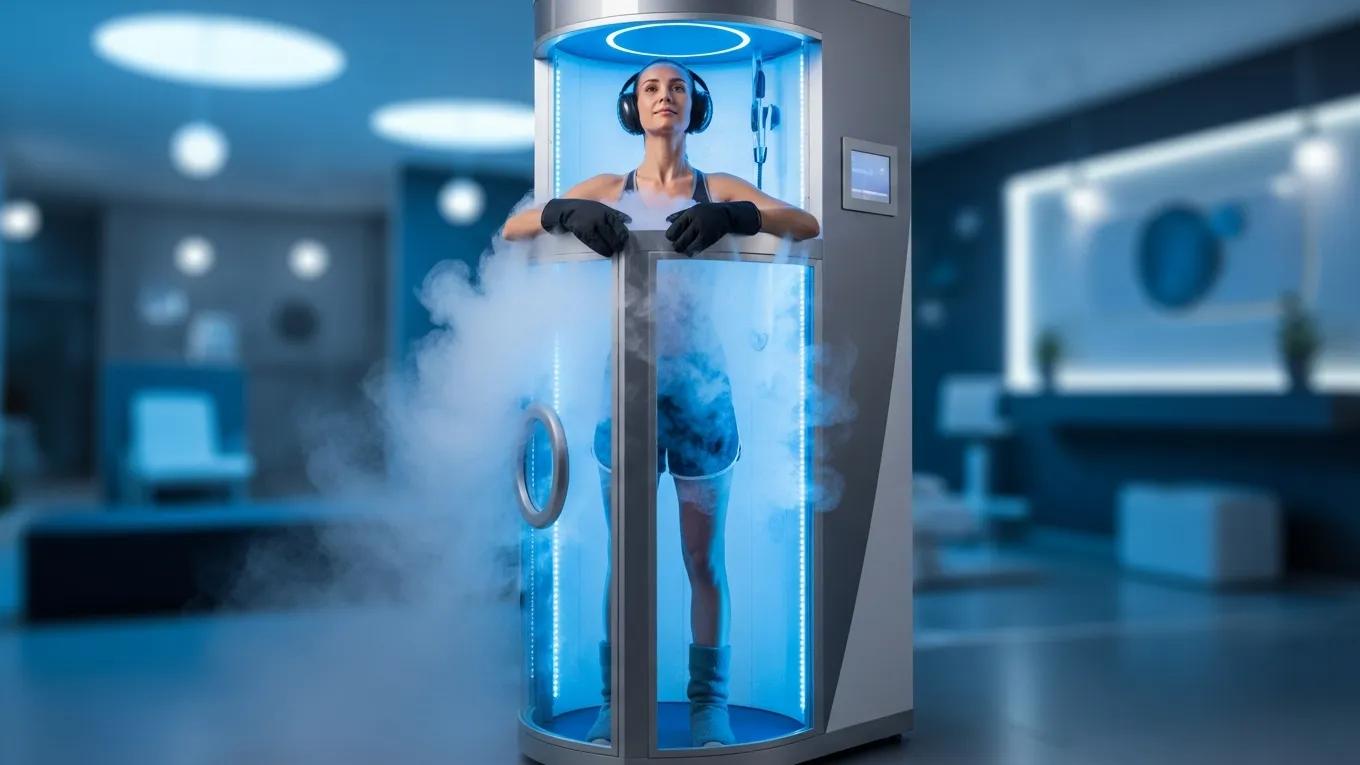
Cryotherapy has emerged as a popular method for muscle recovery, leveraging extreme cold to enhance healing and reduce inflammation. This innovative treatment is particularly beneficial for athletes and fitness enthusiasts seeking to optimize their recovery processes. In this article, we will explore the key benefits of cryotherapy for muscle recovery, how a typical session works, and the complementary therapies available at Sessions Wellness Center in Knoxville. By understanding the mechanisms behind cryotherapy, individuals can make informed decisions about incorporating it into their wellness routines.
Cryotherapy offers several significant benefits for muscle recovery, making it a favored choice among athletes and active individuals.
These benefits highlight why cryotherapy is increasingly recognized as a vital component of recovery strategies.
Indeed, research underscores cryotherapy’s role in mitigating pain and inflammation, though its efficacy is influenced by factors such as treatment timing.
Cryotherapy for Exercise Recovery: Pain, Inflammation & Timing
Cryotherapy is utilized as a physical intervention in the treatment of injury and exercise recovery. In humans, the primary benefit of traditional cryotherapy is reduced pain following injury or soreness following exercise. Cryotherapy-induced reductions in metabolism, inflammation, and tissue damage have been demonstrated in animal models of muscle injury; however, comparable evidence in humans is lacking. Ultimately, the effectiveness of cryotherapy as a recovery modality is dependent upon its ability to maintain a reduction in muscle temperature and on the timing of treatment with respect to when the injury occurred, or the exercise ceased.
The cold truth: the role of cryotherapy in the treatment of injury and recovery from exercise, SY Kwiecien, 2021
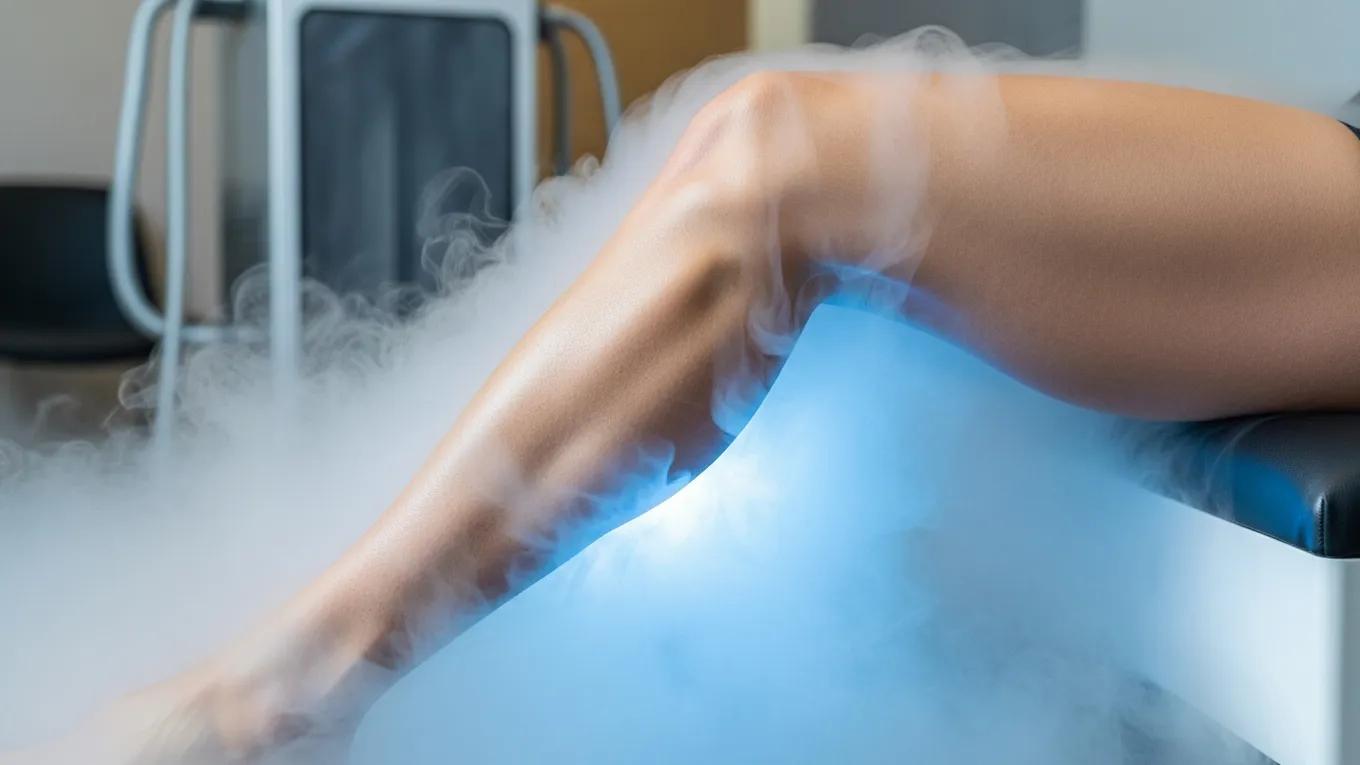
Cryotherapy works by exposing the body to extremely low temperatures, typically between -110°F to -140°F (-79°C to -96°C), for a short duration. This exposure causes blood vessels to constrict, reducing blood flow to inflamed areas. Once the session ends, blood vessels dilate, allowing oxygen-rich blood to flow back into the tissues, which helps flush out toxins and promotes healing. This process is particularly effective in alleviating soreness and inflammation after intense workouts.
Further research delves into the precise physiological changes induced by cold therapy, which are crucial for muscle recovery and inflammation reduction.
Cryotherapy Mechanisms: Muscle Recovery & Inflammation
High-intensity exercise is associated with mechanical and/or metabolic stresses that lead to reduced performance capacity of skeletal muscle, soreness and inflammation. Cold-water immersion and other forms of cryotherapy are commonly used following a high-intensity bout of exercise to speed recovery. The fundamental change induced by cold therapy is a reduction in tissue temperature, which subsequently exerts local effects on blood flow, cell swelling and metabolism and neural conductance velocity. Cryotherapy includes whole body cryotherapy (dry air of −80°C to −110°C for 1–3 min), cold-water immersion (CWI), ice or cold gel pack application, ice massage or any other local or general application of cold for therapeutic purposes.
Cold-water immersion and other forms of cryotherapy: physiological changes potentially affecting recovery from high-intensity exercise, GD Wells, 2013
After strenuous exercise, muscles often experience micro-tears, leading to delayed onset muscle soreness (DOMS). Cryotherapy aids in muscle repair by reducing inflammation and promoting blood circulation. Many users report feeling significant relief from soreness within hours of a session, making it an ideal post-workout recovery tool. Additionally, the cold exposure can help prevent further injury by preparing the muscles for subsequent workouts.
Scientific investigations have further demonstrated the effectiveness of whole-body cryotherapy in reducing inflammatory responses following strenuous exercise.
Whole-Body Cryotherapy Reduces Post-Exercise Inflammation
The objectives of the present investigation was to analyze the effect of two different recovery modalities on classical markers of exercise-induced muscle damage (EIMD) and inflammation obtained after a simulated trail running race. Endurance trained males (n = 11) completed two experimental trials separated by 1 month in a randomized crossover design; one trial involved passive recovery (PAS), the other a specific whole body cryotherapy (WBC) for 96 h post-exercise (repeated each day). For each trial, subjects performed a 48 min running treadmill exercise followed by PAS or WBC. The Interleukin (IL) -1 (IL-1), IL-6, IL-10, tumor necrosis factor alpha (TNF-α), protein C-reactive (CRP) and white blood cells count were measured at rest, immediately post-exercise, and at 24, 48, 72, 96 h in post-exercise recovery. A significant time effect was observed to characterize an inflammatory state (Pre vs. Post) following the exercise bout in all conditions (p<0.05).
Time-course of changes in inflammatory response after whole-body cryotherapy multi exposures following severe exercise, F Bieuzen, 2011
A typical cryotherapy session lasts about three minutes and involves standing in a cryotherapy chamber that envelops the body in cold air.
During a whole body cryotherapy session, clients enter a chamber designed to maintain extremely low temperatures. The experience is supervised by trained professionals who ensure safety and comfort. Clients may feel a tingling sensation as the cold air circulates around their body, but the session is generally well-tolerated and quick.
Each cryotherapy session typically lasts around three minutes. Safety precautions include wearing protective gloves and socks to prevent frostbite and ensuring that individuals with certain medical conditions consult with a healthcare provider before undergoing treatment. Overall, cryotherapy is considered safe for most individuals when performed by trained professionals.
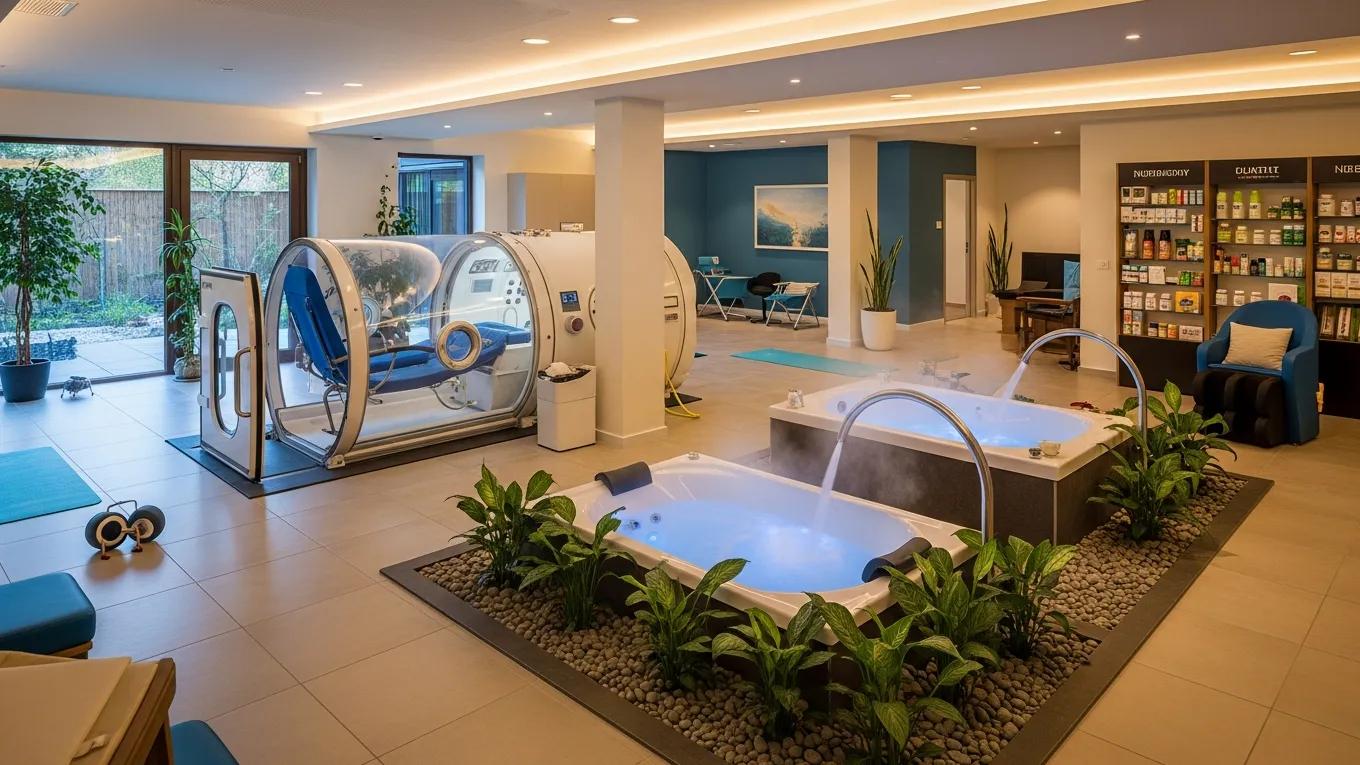
At Sessions Wellness Center, several complementary therapies are available to enhance muscle recovery alongside cryotherapy.
These therapies work synergistically with cryotherapy to create a comprehensive recovery ecosystem.
Contrast therapy enhances circulation by alternating between hot and cold treatments, which can help reduce muscle soreness and improve flexibility. Hyperbaric oxygen therapy, on the other hand, increases oxygen levels in the blood, facilitating tissue repair and reducing recovery time. Together, these therapies complement cryotherapy by addressing different aspects of muscle recovery.
Peptide therapy involves the use of specific peptides that promote muscle growth and recovery. These compounds can enhance the body’s natural healing processes, making them a valuable addition to any recovery regimen. By supporting muscle repair and reducing inflammation, peptide therapy can significantly improve overall recovery outcomes.
Booking a cryotherapy session at Sessions Wellness Center is straightforward and can be done through various methods.
The average cost for a cryotherapy session in Knoxville typically ranges around $50 to $100, depending on the facility and any additional services included. Factors influencing pricing may include the duration of the session and any complementary therapies offered.
To book a cryotherapy session at Sessions Wellness Center, individuals can contact the center directly or visit their website for online booking options. The staff is available to assist with any questions regarding the services offered and to help schedule appointments that fit individual needs.
In addition to cryotherapy, consider exploring contrast therapy at Sessions Wellness Center for enhanced muscle recovery.
Furthermore, hyperbaric oxygen chamber sessions can also aid in faster healing and recovery.
For those interested in advanced recovery methods, peptide therapy is another option available at Sessions Wellness Center.