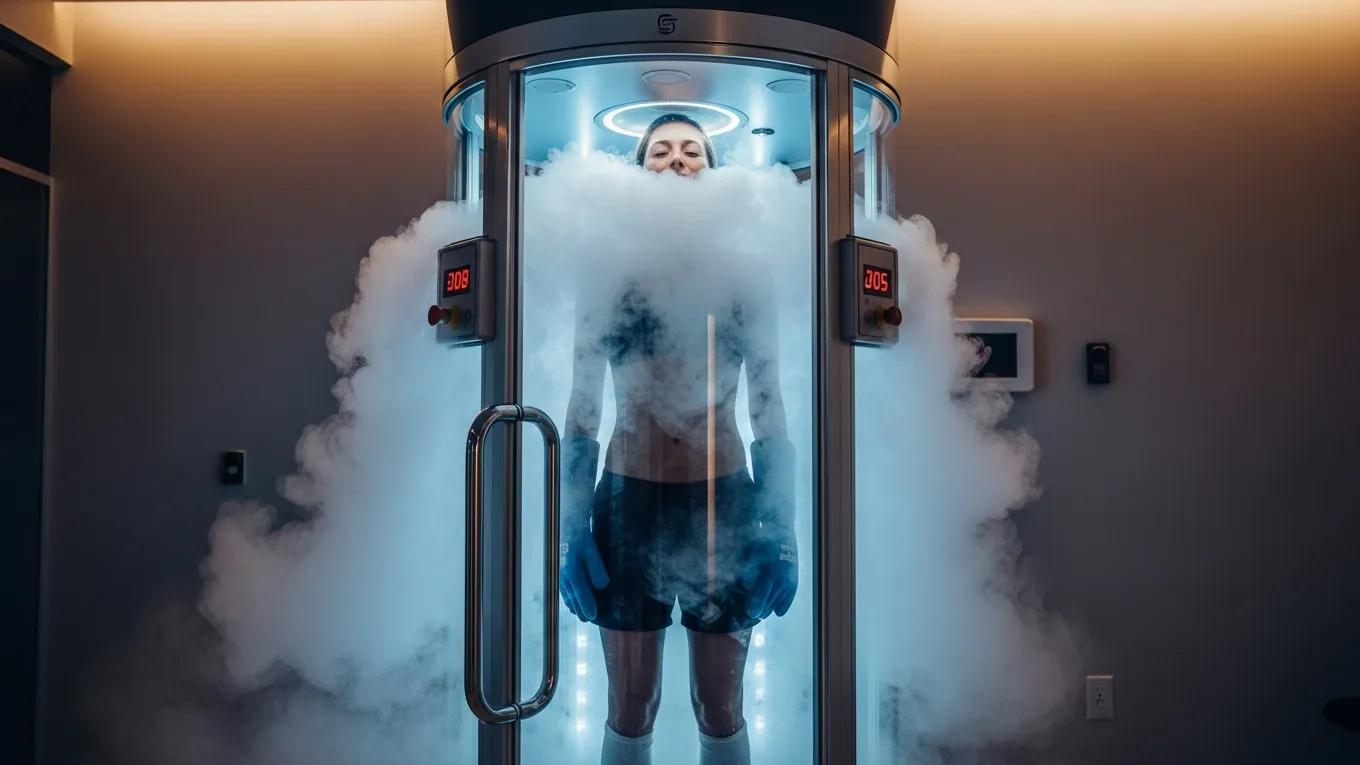
Cryotherapy has emerged as a popular recovery treatment, particularly for its ability to reduce inflammation. This innovative therapy involves exposing the body to extremely cold temperatures, which can lead to various physiological benefits. In this article, we will explore how cryotherapy works, its effects on inflammation, and the specific treatments available at Sessions Wellness Center in Knoxville. Many individuals suffer from chronic inflammation, which can lead to pain and discomfort. Cryotherapy offers a promising solution by targeting inflammation at its source. We will also discuss the different types of cryotherapy sessions offered, how they compare to other therapies, and important safety information for potential patients.
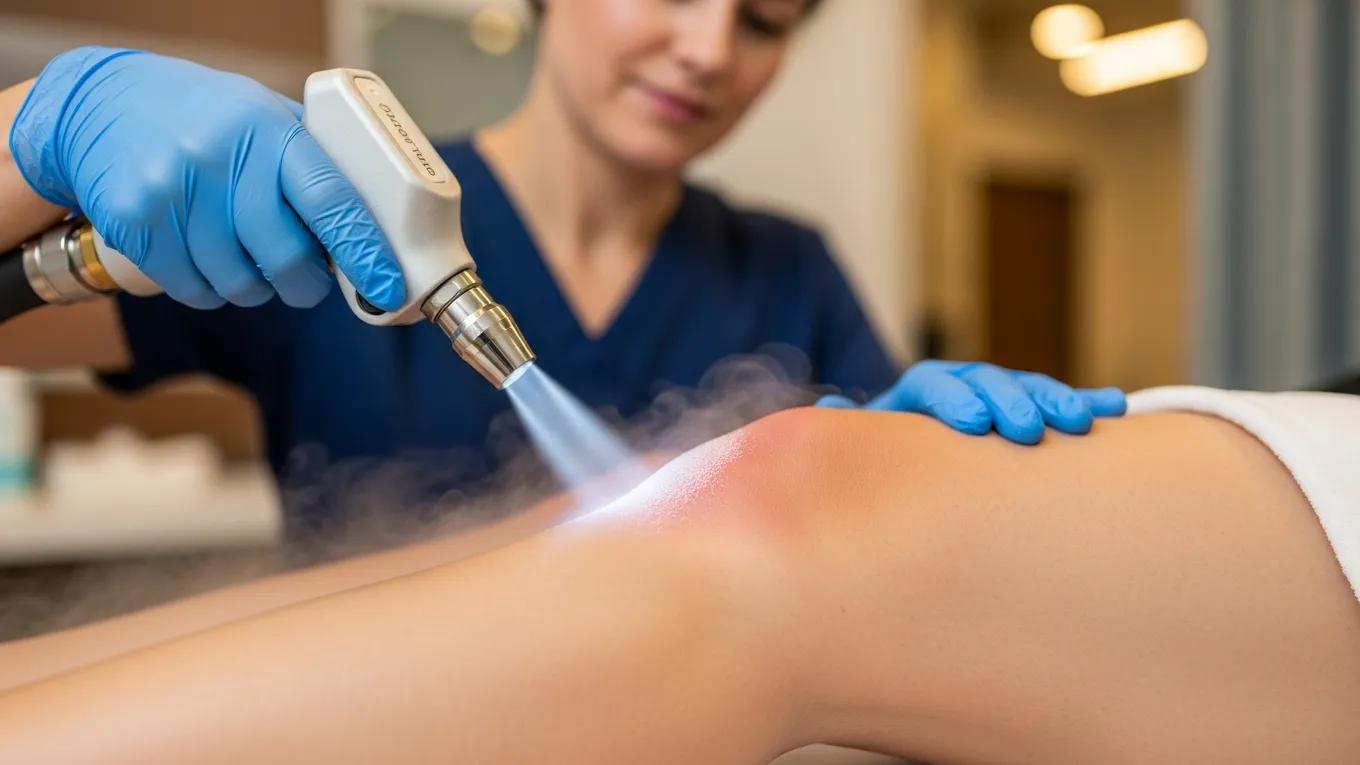
Cryotherapy reduces inflammation through a process known as vasoconstriction, where blood vessels constrict in response to cold exposure. This mechanism lowers the levels of pro-inflammatory cytokines, which are proteins that promote inflammation in the body. As a result, cryotherapy not only alleviates pain but also promotes faster recovery from injuries and reduces swelling. The physiological effects of cryotherapy make it a valuable tool for athletes and individuals seeking relief from inflammatory conditions.
Cold exposure can significantly reduce pro-inflammatory cytokines. This reduction occurs because the cold temperature inhibits the production of these inflammatory markers, leading to decreased inflammation and pain. Research studies show that regular cryotherapy sessions can enhance recovery times and improve overall well-being, making it an effective treatment for various inflammatory conditions.
A comprehensive meta-analysis further substantiates that whole-body cryotherapy effectively modulates inflammatory responses by altering cytokine levels.
Whole-Body Cryotherapy Reduces Inflammation: A Meta-Analysis
A total of 11 RCTs in 11 articles were included, and the total sample size was 274. The level of IL-1β in serum of people exposed to WBC was lower than that in control group (SMD value was − 2.08pg/mL,P< 0.05), and athletes exposed to WBC were more likely to benefit from this. The level of IL-10 in serum of people exposed to WBC was higher than that in control group ( SMD value was 0.78 pg/mL,P< 0.05), and obese people exposed to WBC were more likely to benefit from this than athletes. WBC effectively reduces inflammation by lowering IL-1β and increasing IL-10 levels, offering significant benefits for athletes and obese individuals.
Whole-body cryotherapy can reduce the inflammatory response in humans: a meta-analysis based on 11 randomized controlled trials, 2025
Cryotherapy is particularly beneficial for areas of the body that are prone to inflammation, such as joints and muscles. Common conditions treated with cryotherapy include arthritis, tendonitis, and sports injuries. Patients often report significant relief in these areas, allowing for improved mobility and reduced pain. Testimonials from individuals who have undergone cryotherapy highlight its effectiveness in managing inflammation and enhancing recovery.
Further scientific investigation confirms that localized cryotherapy effectively targets inflammatory markers, particularly in conditions like arthritis.
Local Cryotherapy Reduces Inflammatory Markers in Arthritis
Local ice cryotherapy significantly reduced the IL-6, IL-1β, VEGF, NF-kB-p65, and PG-E2 synovial levels, especially in the microcrystal-induced arthritis subgroup, while only phosphorylated NF-kB-p65 significantly decreased in rheumatoid arthritis and spondyloarthritis patients. Cold CO2only reduced the synovial VEGF levels.
Local ice cryotherapy decreases synovial interleukin 6, interleukin 1β, vascular endothelial growth factor, prostaglandin-E2, and nuclear factor kappa B p65 in human …, X Guillot, 2019
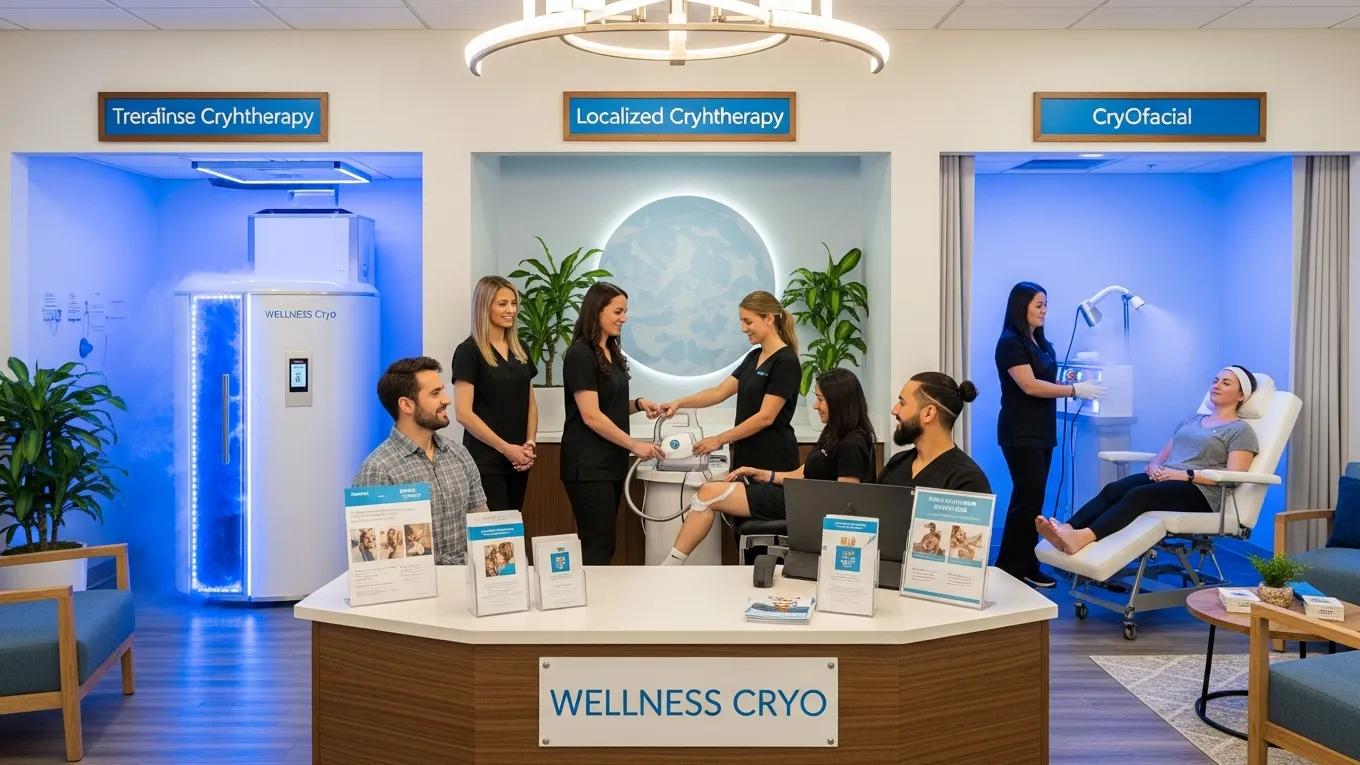
At Sessions Wellness Center in Knoxville, a variety of cryotherapy sessions are available to cater to different needs. These sessions are designed to provide targeted relief and promote overall wellness.
Whole body cryotherapy involves stepping into a cryotherapy chamber where the body is exposed to sub-zero temperatures for a short duration, typically 2-3 minutes. This process helps to reduce inflammation throughout the body, leading to improved recovery times and decreased muscle soreness. Many athletes utilize this treatment to enhance their performance and expedite recovery after intense workouts.
Research further supports the efficacy of whole-body cryotherapy in alleviating pain and inflammation, as detailed in the following study.
Whole-Body Cryotherapy for Pain & Inflammation Relief
Cold therapy is commonly used as a procedure to relieve pain symptoms, particularly in inflammatory diseases, injuries and overuse symptoms. A peculiar form of cold therapy (or stimulation) was proposed 30 years ago for the treatment of rheumatic diseases. The therapy, called whole-body cryotherapy (WBC), consists of exposure to very cold air that is maintained at −110°C to −140°C in special temperature-controlled cryochambers, generally for 2 minutes.
Whole-body cryotherapy in athletes, G Lombardi, 2010
Cryotherapy sessions are relatively quick, usually lasting between 2 to 3 minutes for whole body treatments. Patients often notice a reduction in swelling and inflammation shortly after their session, with optimal results typically observed within 24-48 hours. This rapid response makes cryotherapy an appealing option for those seeking immediate relief from inflammation.
When comparing cryotherapy to other inflammation reduction therapies, it is essential to consider the unique benefits each method offers. Cryotherapy stands out due to its speed and effectiveness in reducing inflammation and pain.
Cryotherapy and contrast therapy both aim to reduce inflammation but utilize different methods. Contrast therapy involves alternating between hot and cold treatments, which can improve circulation and reduce muscle soreness. In contrast, cryotherapy focuses solely on cold exposure, providing rapid inflammation reduction without the need for heat application. Many patients find cryotherapy to be a more efficient and straightforward approach to managing inflammation.
For those looking to enhance their recovery process, hyperbaric oxygen chamber therapy can be a beneficial addition. Hyperbaric oxygen chamber therapy can complement cryotherapy by enhancing the body’s healing processes. While cryotherapy reduces inflammation and pain, hyperbaric therapy increases oxygen delivery to tissues, promoting faster recovery and healing. Together, these therapies can provide a comprehensive approach to inflammation management and recovery optimization.
Before undergoing cryotherapy, patients should be aware of safety considerations and the booking process. Cryotherapy is generally safe for most individuals, but it is essential to consult with a healthcare professional if there are any underlying health concerns.
While cryotherapy is considered safe, some individuals may experience mild side effects such as redness or tingling in the treated areas. These effects are typically temporary and resolve quickly. It is crucial for patients to discuss any potential risks with their healthcare provider before starting treatment.
Scheduling cryotherapy sessions at Sessions Wellness Center is straightforward. Patients can contact the center directly to book an appointment or inquire about available services. The staff is knowledgeable and can provide guidance on which treatment options may be best suited for individual needs. For those interested in experiencing the benefits of cryotherapy, reaching out to Sessions Wellness Center is a great first step toward recovery and wellness optimization.